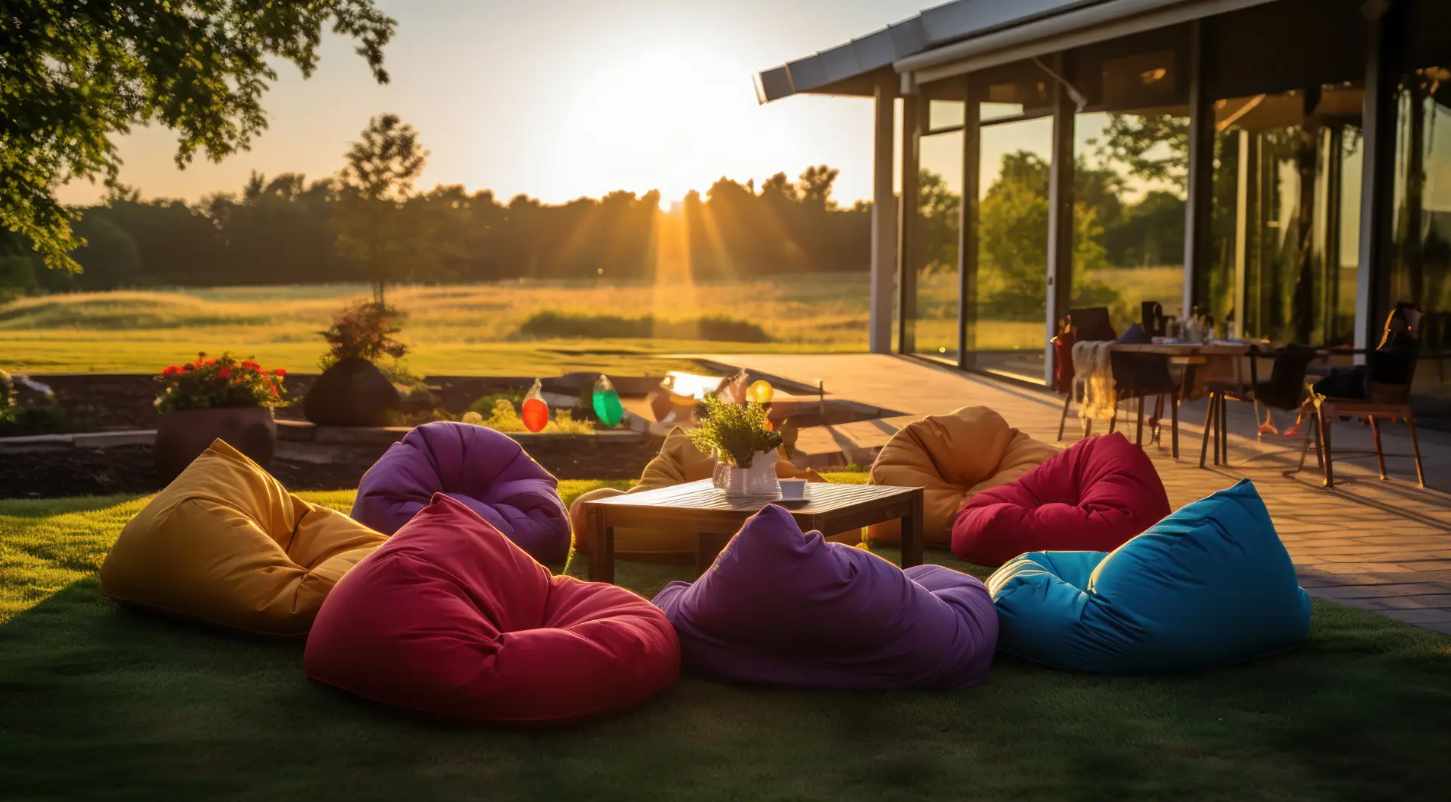
Why Beanbags Are the Future of Modern Office Seating
The way we work has changed dramatically in the last decade, and so has the furniture we use every day. Offices are no longer confined to stiff chairs and rigid desks. Companies across the UAE and the world are realizing that productivity and creativity are directly linked to comfort, and this is why beanbags are quickly becoming the future of modern office seating. Employees are spending long hours at work, often moving between formal desks, informal lounges, and collaborative spaces, and they need seating that adapts to them rather than forcing their body into unnatural positions. Unlike traditional chairs, beanbags mold to the body, providing complete support while encouraging natural posture. This reduces back strain and fatigue, which has been one of the most common complaints in the workplace.
Another reason offices are embracing beanbags is the rise of hybrid and co-working spaces. Modern companies want flexible environments where people can move freely, brainstorm, or simply relax without feeling boxed in. A beanbag in the office isn’t just furniture; it creates a mood. It transforms a corner into a space for creative discussions, a zone for quick breaks, or even a comfortable seat for casual meetings. Employees often feel more at ease in such setups, and research shows that a relaxed environment can actually boost focus and innovation.
In the UAE, startups, creative agencies, and even established enterprises have started integrating beanbags into their office culture. Not only are they affordable compared to high-end ergonomic chairs, but they also add style and personality to the office. With customizable designs, fabrics, and colors, companies can even align beanbags with their brand identity. They have become a tool to attract younger talent as well, since modern employees prefer workplaces that reflect flexibility, comfort, and modern thinking. It’s clear that in the coming years, beanbags will no longer be seen as casual extras but as an essential element of forward-thinking office design.